
Beginner’s Preschool
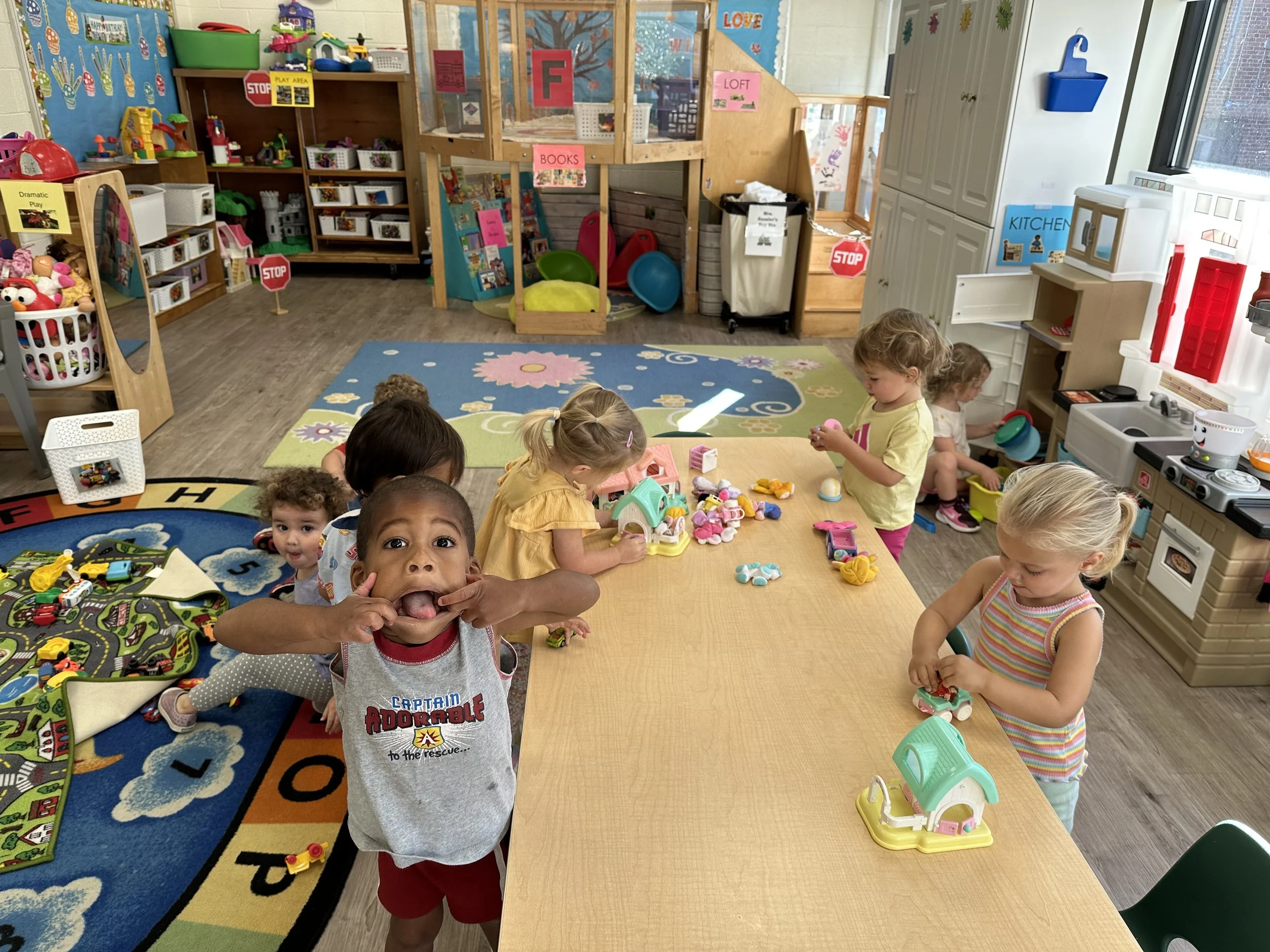
Our Beginner’s Preschool program provides a nurturing and engaging environment where young children build confidence, develop independence, and learn through play and hands-on experiences. Each day combines structured learning, creative activities, movement, outdoor play, and opportunities for children to explore at their own pace.

Daily Routine
Morning
8:30 AM — Table Tops & Bathroom
Children move freely among a variety of choices, including fine-motor manipulatives.
8:45 AM — Circle Time
Calendar • Stories • Finger Plays
9:10 AM — Music & Movement
9:20 AM — Bathroom • Snack • Free Play
10:10 AM — Outdoor Play
10:50 AM — Learning Centers & Bathroom
11:20 AM — Bible
11:30 AM — Lunch & Bathroom
12:20 PM — Half-Day Dismissal
Extended Care
12:20 PM — Outdoor Play & Bathroom
12:55 PM — Nap Time
2:30 PM — Bathroom
3:00 PM — Afternoon Class
Snack • Story • Music & Movement • Table Tops • Art • Bathroom
3:30–4:00 PM — Outdoor Play
4:25 PM — Whole-School Indoor/Outdoor Activities
5:30 PM — School Closes
Our Curriculum
Our Beginner’s Preschool curriculum is built around age-appropriate themes that encourage children to explore, discover, and learn through hands-on experiences. Each theme connects learning activities across the classroom and provides opportunities for children to develop social, cognitive, physical, and creative skills.
Themes typically extend for approximately four weeks, allowing children time to explore each topic through stories, activities, music, art, and play.
Our Themes
Welcome, Colors & Shapes
Fall & Apples
Pumpkins & Thanksgiving
Christmas
Author Study: Mercer Mayer
Dental Health & Healthy Foods
Jungle
Easter & Eggs
Flowers
Skills We Develop
Everyday Skills
Children practice:
Hand washing
Using the bathroom
Dressing for outdoor play
Following routines
Socialization
Early Learning Skills
Children are introduced to:
Colors
Size
Shapes
Alike & different
Counting
Classification
Opposites
Name recognition
Letters A–J
Numbers 1–10
Sequencing
Fine Motor Skills
Through hands-on activities, children develop skills through:
Pasting
Tearing
Pinching
Tracing
Cutting
Stacking
Stringing
Lacing
Pattern reproduction